Australian Outback Caravans: A Comprehensive Exploration
Introduction
In the vast expanse of Australia’s rugged interior, a unique and resilient form of travel has emerged—the Australian Outback Caravan. This phenomenon goes beyond mere transportation; it represents a way of life, offering adventurers and travelers an immersive experience in nature’s embrace. This article delves into the multifaceted world of Outback Caravans, exploring their history, global impact, economic significance, technological innovations, regulatory framework, challenges, and future prospects. By the end, readers will gain a profound understanding of this iconic Australian phenomenon and its influence on travel, tourism, and cultural heritage.
Understanding Australian Outback Caravans
Definition and Core Components
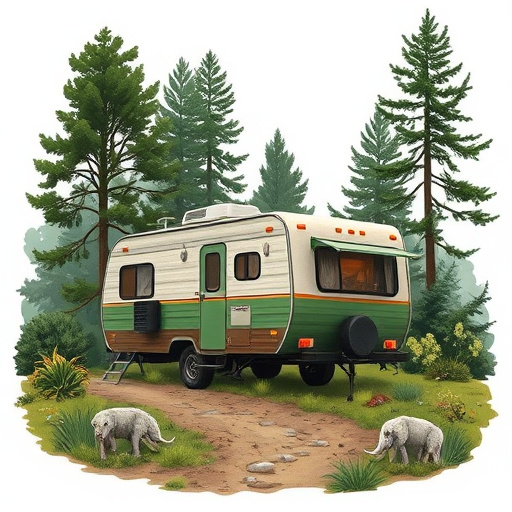
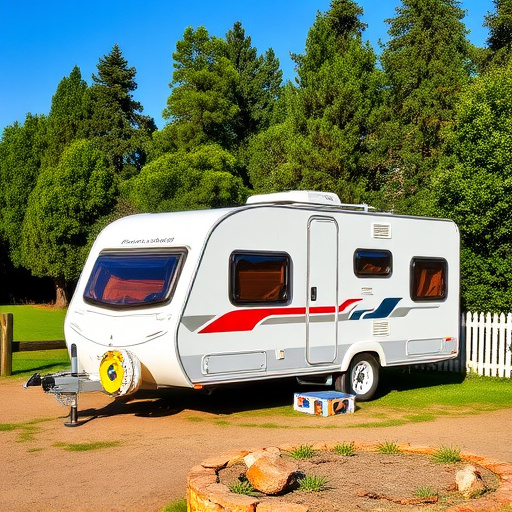
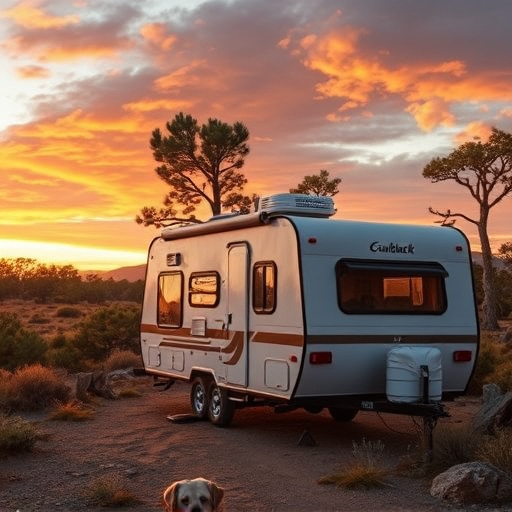
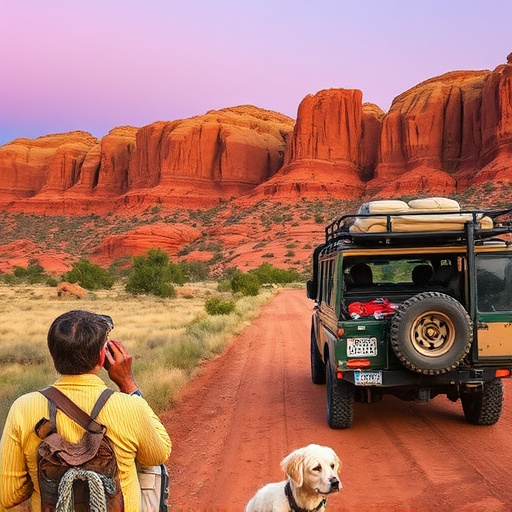
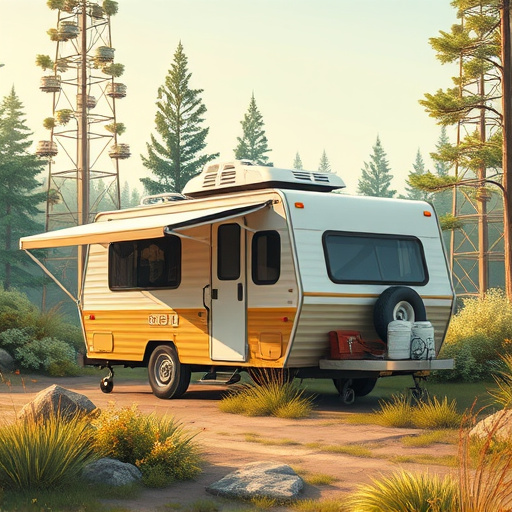
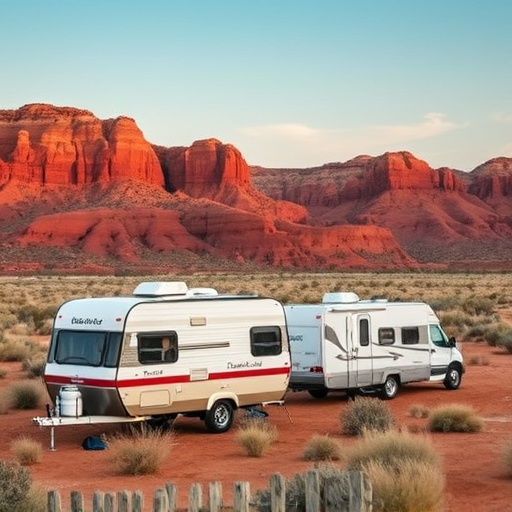
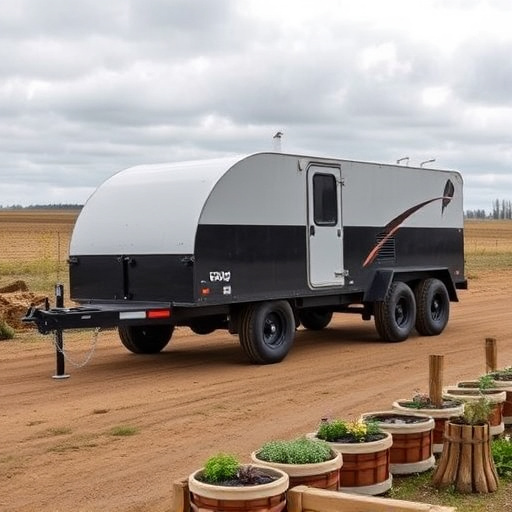
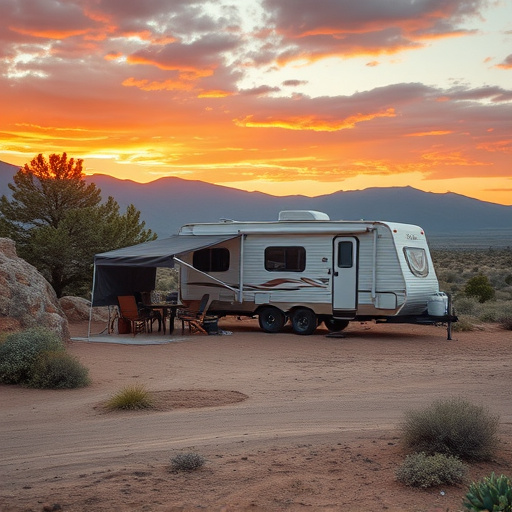
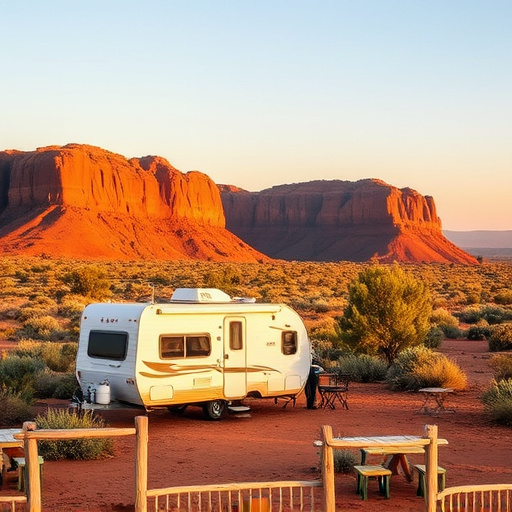
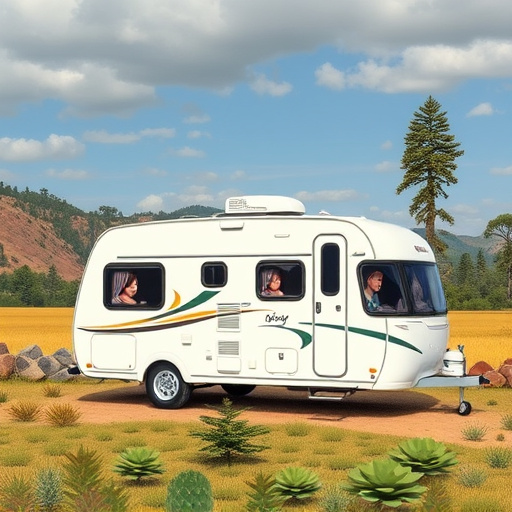
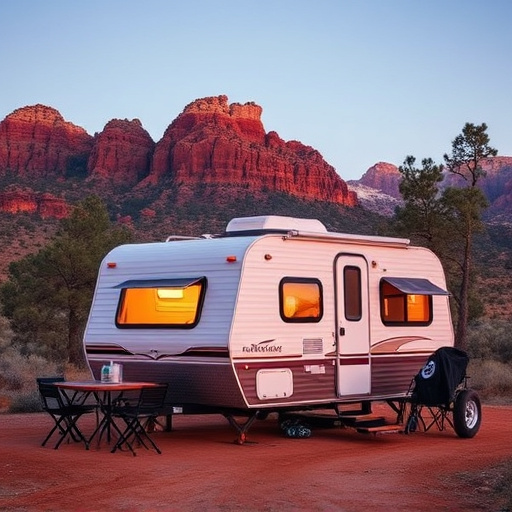
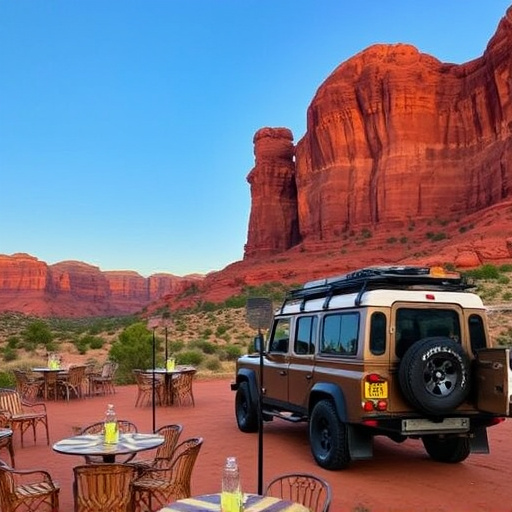
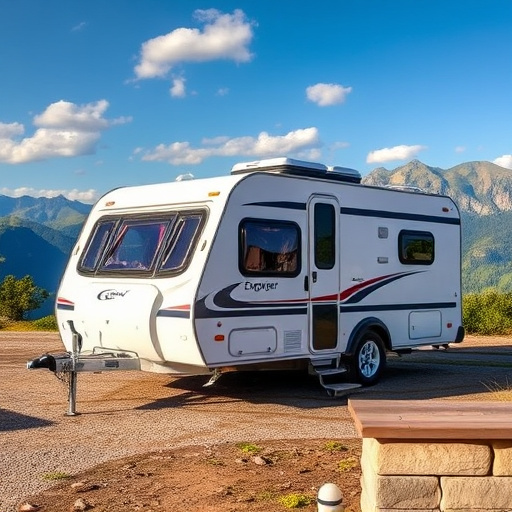
An Outback Caravan, at its essence, is a self-contained, mobile dwelling designed for off-road and remote travel. It typically consists of a rugged vehicle, often a 4×4 truck or SUV, towing a specialized trailer equipped with living quarters. These caravans are built to withstand Australia’s harsh conditions, including extreme temperatures, dusty terrains, and unpredictable weather.
Key components include:
Towing Vehicle: A powerful 4×4 designed for off-road capabilities, ensuring the caravan can navigate challenging terrain.
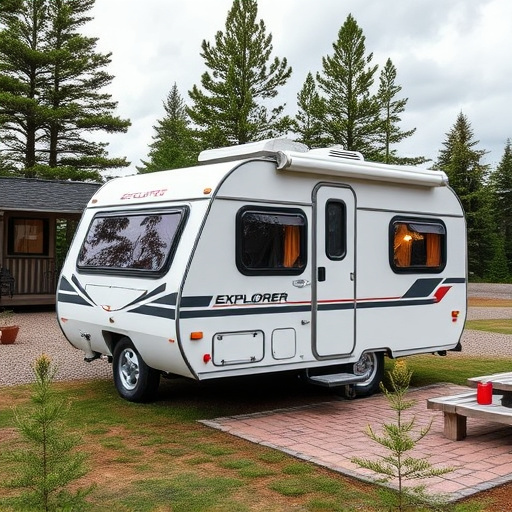
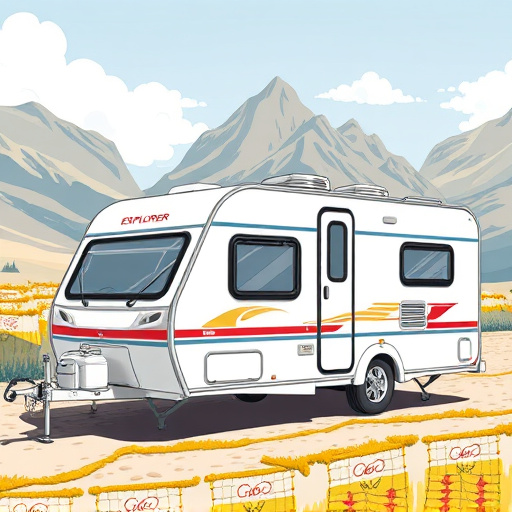
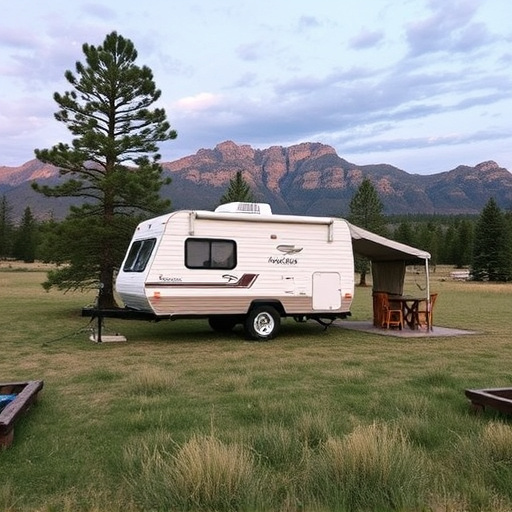
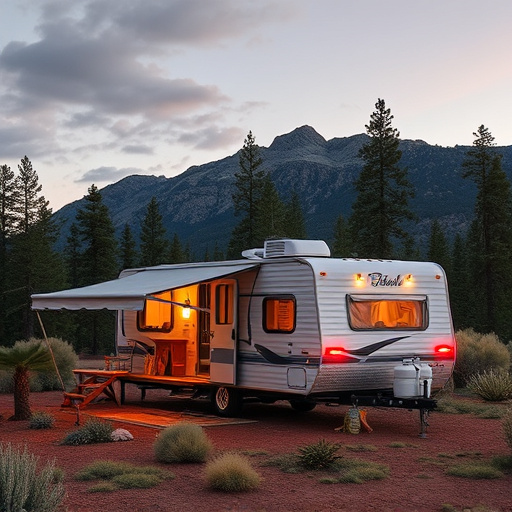
Caravan Trailer: The living space, often featuring a kitchenette, sleeping areas, and sometimes even indoor plumbing.
Off-Road Tires and Suspension: Specialized tires and suspension systems enhance traction and stability on rough surfaces.
Solar Panels and Water Tanks: Essential for self-sufficiency, providing power and water for extended periods in remote locations.
Historical Context
The tradition of Outback Caravanning has its roots deep within Australian history. In the 19th century, pioneers and settlers traveled vast distances by horse and cart to explore and colonize the country’s interior. As vehicles became more accessible, early caravanners modified them for off-road travel, laying the foundation for modern Outback Caravans.
Post-World War II, with a surge in leisure time and a growing desire for outdoor adventures, Outback Caravanning gained popularity. The 1950s and 1960s saw the rise of specialized manufacturers who tailored vehicles and trailers to meet the unique demands of Australia’s rugged landscapes. Today, it has evolved into a thriving industry, catering to both domestic and international travelers seeking authentic Australian experiences.
Global Impact and Trends
International Influence
Australian Outback Caravans have transcended national borders, captivating travelers worldwide with their promise of untamed wilderness and self-sufficient exploration. This phenomenon has inspired similar movements in various countries, each adapting the concept to suit their unique landscapes and cultures:
North America: The RV (Recreational Vehicle) industry in the US and Canada shares similarities with Australian Outback Caravans, offering mobile homes for off-road and long-distance travel. However, North American caravans tend to focus more on comfort and entertainment features.
Europe: In countries like Germany, France, and Spain, “caravaning” is a popular leisure activity, but the emphasis is often on smaller, lightweight trailers designed for camping rather than off-road adventures.
Asia: Japan’s caravan culture, known as “Caravaning,” has gained traction, with travelers seeking unique experiences in remote areas. This trend mirrors Australia’s Outback Caravanning in its desire for exploration and connection with nature.
Key Global Trends
Several global trends are shaping the future of Australian Outback Caravans:
Sustainability: There is a growing demand for eco-friendly caravans, with an emphasis on renewable energy sources, waste reduction, and sustainable materials. This trend aligns with Australia’s commitment to environmental conservation.
Luxury and Comfort: While the traditional focus was on ruggedness and off-road capabilities, modern travelers seek luxurious amenities, including spacious interiors, entertainment systems, and advanced technology.
Customized Design: Individuality is valued, leading to custom-built caravans tailored to specific needs and preferences. This trend empowers caravanners to create unique spaces that reflect their personalities.
Digital Connectivity: Integration of advanced communication systems and smart home technologies in caravans allows travelers to stay connected and access information during their journeys.
Economic Considerations
Market Dynamics
The Australian Outback Caravan market is a significant contributor to the country’s tourism and recreational vehicle industry. According to a 2022 report by the Australian Automobile Association (AAA), the RV market experienced a 12% growth in sales, with caravanning accounting for a substantial share. This trend reflects the rising popularity of outdoor adventures among Australians and international visitors.
Market segmentation reveals distinct preferences:
Domestic Market: Australians prioritize comfort, family-friendly features, and advanced safety systems in their caravans.
International Market: Foreign travelers often seek ruggedness, off-road capabilities, and authentic off-grid experiences.
Investment Patterns
Outback Caravan manufacturing and customization have become lucrative businesses, attracting substantial investments:
Category
Investment Trends
Manufacturers
Large-scale producers receive funding for research and development of new models, while specialized craft manufacturers gain investment from enthusiasts seeking unique, hand-built caravans.
Retailers
Independent caravan dealers and online marketplaces experience growth due to the increasing demand for both new and used caravans.
Tourism & Travel
Camping grounds, off-road tour operators, and adventure travel companies invest in caravanning infrastructure and experiences.
Economic Impact
The economic significance of Australian Outback Caravans is multifaceted:
Tourism Boost: It attracts international tourists seeking unique adventures, contributing to the country’s tourism revenue.
Rural Development: The industry supports local businesses, including vehicle repairs, fuel stations, and camping grounds in remote areas, fostering regional growth.
Job Creation: Manufacturing, sales, maintenance, and tour operations generate employment opportunities across various sectors.
Technological Advancements
Innovations in Design and Functionality
Technological advancements have revolutionized the Outback Caravan experience:
Advanced Materials: Composites, lightweight alloys, and advanced polymers improve structural integrity while reducing weight, enhancing fuel efficiency and off-road performance.
Navigation Systems: GPS and satellite navigation technologies provide accurate positioning and route planning, ensuring safe and efficient journeys.
Solar and Energy Efficiency: Solar panels, lithium batteries, and smart energy management systems enable extended off-grid capabilities, promoting sustainable travel.
Safety Features: Advanced driver-assistance systems (ADAS), emergency braking, and stability controls enhance safety during off-road adventures.
Future Potential
The future holds exciting possibilities for technological integration:
Autonomous Vehicles: Self-driving technology could transform caravanning, allowing travelers to explore remote areas with greater ease and safety.
Smart Home Integration: Internet of Things (IoT) devices enable remote monitoring and control of caravan systems, enhancing comfort and security.
Virtual Reality (VR) Experiences: Immersive VR can provide pre-trip planning and post-journey reminiscing, offering a digital window to Australia’s diverse landscapes.
Digital Health Services: Remote healthcare access through telemedicine could be invaluable for travelers in isolated regions.
Policy and Regulation
Governance and Legislative Framework
The Australian government oversees the regulation of recreational vehicles, including Outback Caravans, through several key agencies:
Australian Competition & Consumer Commission (ACCC): Ensures fair trading practices and consumer protection for caravan manufacturers and buyers.
Transport Australia: Regulates vehicle safety standards, emissions, and roadworthiness, including off-road vehicles.
State and Territorial Road Authorities: Enforce local traffic rules and manage road infrastructure, often providing specific guidelines for caravanning.
Key Policies and Their Impact
Several policies have shaped the industry:
Safety Standards: Stricter safety regulations have improved caravan construction, leading to better accident prevention and emergency response systems.
Emission Controls: Environmental standards have driven the adoption of cleaner fuels and more efficient engines, reducing the carbon footprint of caravans.
Camping Ground Development: Government initiatives promote well-maintained camping grounds, enhancing the overall caravanning experience while minimizing environmental impact.
Challenges and Criticisms
Overcoming Barriers to Growth
Despite its popularity and economic benefits, the Australian Outback Caravan industry faces several challenges:
Remote Access and Infrastructure: The vastness of Australia’s interior presents logistical hurdles for accessing remote areas, impacting tourism and travel experiences. Upgrading road infrastructure is essential to support caravanning activities.
Environmental Concerns: Off-road travel can cause environmental damage, leading to criticism over the industry’s sustainability. Implementing responsible tourism practices and educating travelers are crucial solutions.
Competition from Alternative Travel Options: The rise of eco-tourism, luxury camping, and specialized adventure tours poses competition for traditional caravanners. Differentiating experiences and targeting unique markets can mitigate this.
Proposed Solutions
Addressing these challenges requires collaborative efforts:
Sustainable Tourism Education: Workshops and campaigns can educate caravanners and tourists about responsible practices, minimizing environmental impact.
Community Engagement: Involving local communities in tourism planning ensures sustainable development and promotes cultural heritage preservation.
Technology for Accessibility: Utilizing technology to improve access to remote areas, such as drone surveillance and advanced mapping, could enhance safety and tourism opportunities.
Industry Collaboration: Collaborative initiatives between manufacturers, tour operators, and government bodies can drive innovation and address common challenges.
Case Studies: Successful Applications
Example 1: Outback Adventure Tours in the Northern Territory
Challenge: Promoting sustainable tourism in remote regions while offering unique experiences.
Solution: “Outback Adventure Tours” developed guided caravanning expeditions, combining off-road travel with cultural immersion and conservation efforts. They implemented:
Eco-friendly Caravans: Customized caravans with solar panels and waste management systems.
Cultural Exchange: Interactions with local Aboriginal communities, promoting cultural understanding.
Conservation Projects: Involving tourists in reforestation and wildlife rehabilitation initiatives.
Impact: This model achieved significant success, attracting international travelers while contributing to the preservation of remote territories and indigenous heritage.
Example 2: Family Caravanning in Queensland’s Outback
Goal: Encourage family bonding through outdoor adventures.
Strategy: “Queensland Parks & Wildlife” launched a campaign promoting caravanning as a family-friendly activity, offering discounted camping permits and educational resources. They focused on:
Family-oriented Camping Grounds: Developing facilities with kids’ play areas, nature trails, and interactive workshops.
Educational Programs: Providing activities that teach about local flora, fauna, and indigenous culture.
Safety Workshops: Conducting sessions for parents to ensure a safe and enjoyable caravanning experience.
Outcome: The campaign led to a 35% increase in family caravanning within the first year, fostering intergenerational connections with nature.
Future Prospects
Emerging Trends and Growth Areas
The Australian Outback Caravan industry is poised for continued growth and evolution:
Sustainable Luxury Caravanning: The demand for eco-friendly yet luxurious caravans will rise, catering to discerning travelers who value sustainability without compromising comfort.
Off-Grid Adventures: Increasing interest in remote areas will drive the development of specialized tours and camping grounds, offering unparalleled wilderness experiences.
Digital Integration: Advanced technology integration will enhance the caravanning experience, from smart home systems to augmented reality (AR) navigation aids.
Cultural Tourism: Caravanners will seek immersive cultural experiences, leading to partnerships with indigenous communities for authentic travel opportunities.
Strategic Considerations
To capitalize on future prospects, stakeholders should:
Embrace Sustainability: Prioritize eco-friendly practices and technologies to meet growing environmental consciousness.
Digital Transformation: Invest in digital infrastructure and services to enhance customer experiences and streamline industry operations.
Cultural Sensitivity: Foster cultural understanding and respect through educational initiatives and community engagement.
Research and Development: Encourage innovation through collaboration between manufacturers, tour operators, and research institutions.
Conclusion
Australian Outback Caravans represent more than just a mode of transport; they embody the spirit of adventure, freedom, and connection with nature. This article has explored various facets of this captivating phenomenon, from its historical roots to global influences, economic significance, technological advancements, and future prospects. By navigating challenges and embracing opportunities, the industry can continue to thrive, enriching the lives of travelers and contributing to Australia’s diverse cultural landscape.
FAQ Section
Q: What makes Australian Outback Caravans unique?
A: They are designed for off-road and remote travel, combining robust vehicles with self-contained living quarters, catering to adventurers seeking authentic wilderness experiences.
Q: Are there any regulations governing caravanning in Australia?
A: Yes, various agencies oversee regulations, ensuring safety, environmental protection, and fair trading practices. These include the ACCC, Transport Australia, and state road authorities.
Q: How do I choose the right caravan for my family?
A: Consider your travel preferences, budget, and desired amenities. Family-oriented caravans often feature multiple sleeping areas, play zones, and educational resources to cater to diverse needs.
Q: Can I learn caravanning on my own?
A: While it’s possible to learn basic skills independently, professional training is recommended for advanced techniques and safety. Many manufacturers and tour operators offer courses for first-time caravanners.
Q: Are there any environmental concerns with caravanning?
A: Yes, off-road travel can impact landscapes and ecosystems. Adopting sustainable practices, such as responsible waste management and minimizing track damage, is crucial to minimize these impacts.
The Australian Outback, with its stunning landscapes and diverse ecosystems, is a prime destination for caravan enthusiasts seeking solitude and adventure. Vacationer Caravans offer specialized models designed for a smooth ride over uneven terra…….
Discover Australia's Outback with an off-track RV from Off Track RV in Victoria. These specialized caravans offer self-contained comfort and rugged terrain capability for exploring ancient rock formations and pristine wilderness. Plan your…….
Vacationer Caravans provide an ideal solution for exploring Australia's diverse Outback landscapes, offering versatile, self-sufficient travel homes with robust construction designed for off-road adventure. Perfect for both extended stays a…….
Off Track RV, located at 21 Graystone Ct, Epping VIC 3076, Australia, offers specialized caravan sales catering to adventurous travelers seeking unique and comfortable off-the-beaten-track experiences. Their diverse collection includes rear club…….
Vacationer Caravans are rugged recreational vehicles engineered for Australia's outback, offering both comfort and off-road capability. Their robust design allows travelers to explore remote areas, from national parks to starry skies, with…….
Off Track RV in Epping, Victoria, specializes in crafting custom caravans designed for off-track exploration. Their expert team collaborates closely with clients to understand unique needs and desires, transforming visions into reality. Each car…….
Australian Outback caravans have revolutionized travel in this iconic region, offering a blend of comfort and adventure. These meticulously designed mobile homes cater to both adventurous souls and families, providing robust construction, cozy i…….
Off Track RV, based in Epping VIC 3076, Australia, is a leading provider of caravan sales and rentals specializing in outback adventures. They offer a diverse fleet of robust and comfortable caravans designed for exploring Australia's remot…….
The growing demand for Vacationer Caravans reflects a trend towards immersive outdoor experiences, with travelers seeking adventures in untamed landscapes and remote destinations. These specialized caravans offer both comfort and rugged all-terr…….
Seeking an authentic off-the-beaten-track adventure in Australia's breathtaking Outback? Off Track RV in Epping, Victoria, specializes in providing tailored Australian Outback caravans for travelers eager to immerse themselves in nature. Wi…….
The Australian Outback, known for its dramatic landscapes and unique challenges, offers a captivating wild adventure experience. Vacationer Caravans provide an ideal solution by merging modern comforts with rustic charm, allowing travelers to ex…….
Off Track RV in Epping, Victoria, is Australia's leading provider of off-track caravan experiences. They offer expert advice (via +61 3 9970 1111), specialized caravans built for diverse landscapes, and personalized customization options. C…….
When planning an adventure in Australia's Outback, choose Australian Outback Caravans with robust construction, 4WD capabilities, fuel efficiency, and spacious, comfortable interiors. Prioritize safety features like stabilizers and driver a…….
Explore Australia's diverse landscapes with Off Track RV's top-quality Australian Outback Caravans. Located in Epping, VIC, we offer a range of well-equipped caravans for family getaways or solo expeditions. Our knowledgeable staff ass…….
Australian Outback caravans offer a comfortable solution for exploring the region's rugged landscapes, providing modern amenities despite remote locations, extreme weather, and uneven terrain. Specialized for off-road capability and durable…….
Off Track RV at 21 Graystone Ct, Epping VIC 3076, Australia, offers a diverse range of high-quality Outback caravans designed for adventurous spirits. Their Victorian showroom displays robust models suitable for various trips, from weekend getaw…….
Vacationer Caravans are ideal for exploring Australia's Outback due to their robust construction, spacious interiors, and modern amenities. These specialized caravans offer comfort and convenience for extended stays, featuring well-equipped…….
Off Track RV – Caravan Sales Victoria offers luxurious off-road caravans designed for Australia's rugged Outback landscapes, combining comfort and off-road capability. With a range of options catering to diverse budgets and preferences, you…….
Australian Outback caravans are specifically designed and built to conquer the region's demanding conditions, offering resilience and adaptability for exploring rugged terrain, extreme temperatures, and remote areas. Crafted with high-quali…….
Explore Australia's iconic Outback in style with Off Track RV's luxurious Australian Outback Caravans. Offering a unique blend of comfort and adventure, these meticulously designed caravans cater to both seasoned adventurers and famili…….